
Modern Home Design Trends for 2026: Shaping the Future of Luxury Living
Updated: Sep 9
Planning a new home or a high-end commercial project is exciting! You want it to be beautiful, functional, and designed to stay relevant for years. This means we're looking ahead, understanding what’s next in architectural innovation and design. The world of luxury property is always evolving. What was cutting-edge a few years ago may feel dated now. For 2026, we’re seeing clear directions emerging that will shape how we live, work, and relax in truly exceptional spaces. Let’s explore the top modern home design trends that’ll define luxury builds in the coming years.
The Evolution of Modern Design: Beyond Minimalism
Modern design has grown beyond simple, stark minimalism. While clean lines remain important, today's approach embraces warmth, rich textures, and smart integration. It's about creating spaces that are both sleek and welcoming. This evolution delivers a sense of comfort and personalization right to your doorstep. It allows for more creativity and a deeper connection to the environment. The focus is now on how a space feels and how it supports a luxurious lifestyle.
Why 2026 is a Pivotal Year for Architectural Innovation
Several factors make 2026 a key moment for design. Technology continues to advance rapidly. Sustainability isn't an option but a necessity. People also seek highly personalized spaces that offer unique experiences. These drivers push architects and designers to think differently. They inspire new ideas for materials, layouts, and smart features. The goal is to create buildings that are not just beautiful but also truly intelligent and responsible.
For High-End Projects: What This Means for Your Next Build
For discerning clients and real estate developers, these trends aren't just ideas; they're opportunities. Incorporating them can significantly increase property value and market appeal. They help future-proof your investment. Understanding these cutting-edge residential design principles ensures your project stands out. It shows a commitment to quality and foresight. This is especially true for luxury properties in competitive markets like Illinois and Florida.
Trend 1: The Symphony of Sustainability and Luxury
Sustainability and luxury aren't separate ideas anymore; they're merging beautifully. High-end clients now expect eco-conscious solutions that don't compromise on elegance or performance. This trend focuses on creating homes and commercial spaces that are kind to the planet while offering the highest levels of comfort and sophistication. It's about thoughtful design choices that last.
Eco-Conscious Elegance: Premium Sustainable Materials
The choice of materials is central to this trend. We're seeing increased use of reclaimed wood, giving materials a second life. Recycled metals and low-VOC (Volatile Organic Compound) finishes are also gaining popularity; these ensure healthier indoor air quality.

Locally sourced materials are another key aspect. Using materials from nearby suppliers reduces transportation costs and carbon footprint. It also supports local economies, making your project truly responsible and unique.
Net-Zero Aesthetics: Integrating Passive Design & Renewable Energy
Achieving net-zero energy is a major goal. This involves smart passive design strategies. Optimizing natural light reduces the need for artificial lighting during the day. Geothermal heating and cooling systems offer efficient climate control. Solar panels are often integrated seamlessly into the architecture. They're designed to be hidden or blend in beautifully. Smart ventilation systems keep the air fresh while minimizing energy use. Over 60% of high-end buyers prioritize sustainability features like these.
Local Focus: Sustainable Building Practices in Illinois & Florida
Sustainable building practices also consider the local climate. In Illinois, robust insulation and smart window placement are vital for managing cold winters and warm summers. Choosing durable, weather-resistant materials is key. In Florida, designers focus on hurricane resilience and efficient cooling. This includes high-impact windows and shading devices. Water conservation features are also important in both regions. These practices ensure designs are practical and responsible.
Trend 2: Intelligent Interiors – The Rise of Seamless Smart Living
Smart homes are becoming even smarter. We're moving beyond simple devices to fully integrated ecosystems. These systems anticipate your needs and enhance your daily life without being intrusive. This trend is about creating a living or working environment that responds to you. It makes life easier, more secure, and more enjoyable. It's a truly intelligent design working behind the scenes.
Beyond Automation: Intuitive & Integrated Smart Home Ecosystems
Imagine AI-powered climate control that learns your preferences. Personalized lighting scenes can adjust based on the time of day or your mood. Integrated security systems offer peace of mind with advanced features. Hidden entertainment systems deliver top-tier experiences. Speakers and screens disappear when not in use, keeping the aesthetic clean and uncluttered. Smart home integration is a key decision factor for 45% of luxury residential buyers.
Wellness Tech: Air Quality, Circadian Lighting, & Acoustic Comfort
Technology increasingly supports your well-being with features like:
Advanced air filtration systems ensure clean, healthy air indoors.
Circadian lighting mimicking natural light cycles, supporting better sleep and energy.
Acoustic comfort is a priority, especially in open-plan spaces, with smart panels and materials reducing noise pollution.
These details create tranquil environments for relaxation or focused work, enhancing the quality of life in any luxury setting.
Future-Proofing with Connectivity: Planning for the Next Generation
Building for 2026 means planning for future technologies. Robust wiring and flexible infrastructure are essential. This ensures your property can easily adapt to new devices and systems as they emerge. Investing in advanced connectivity now prevents costly upgrades later. It keeps your property at the forefront of technological advancements, making your luxury home or commercial space truly future-proof.
Trend 3: Biophilic Design – Bringing Nature Indoors, Architecturally
Biophilic design connects people with nature within their buildings; it recognizes our innate need to be close to natural elements. This trend brings the calming and revitalizing power of the outdoors inside. It's more than just adding plants. It's about fundamental design choices that create a natural flow. These choices improve well-being, reduce stress, and enhance productivity in residential and commercial spaces.
Organic Forms & Natural Flow: Blurring Indoor-Outdoor Boundaries
Designers are using large-format glazing and sliding glass walls to create seamless transitions. Courtyards and interior gardens bring greenery into the heart of the home. Natural ventilation systems allow fresh air to circulate freely. The goal is to blur the line between inside and out, creating a sense of openness and connection to the landscape. It makes living spaces feel larger and more connected to their surroundings.
Materiality & Texture: Connecting with the Earth
The choice of materials plays a crucial role. Consider elements like:
Natural stone, with its unique patterns and textures, adds an earthy touch.
Unrefined wood brings warmth and organic beauty.
Living walls, covered with plants, create striking features.
Even water features, like small indoor ponds or flowing elements.
These materials and textures engage the senses. They create a calming, natural atmosphere, reminding us of the beauty of the natural world.
Impact on Well-being & Productivity in Residential & Commercial Spaces
Biophilic design has proven benefits for occupants. It can reduce stress levels and improve cognitive function. For luxury apartments, this means happier residents. For hospitality projects, it creates more inviting and memorable guest experiences. Exposure to natural light and greenery can also boost creativity and focus. This makes biophilic elements valuable in high-end office spaces, too. It supports a holistic approach to design that prioritizes human health.
Trend 4: Sculptural Forms & Artisanal Craftsmanship
Architecture in 2026 embraces sculptural qualities. Buildings and interiors are seen as works of art. This trend moves away from rigid boxes to more fluid, organic shapes. It celebrates craftsmanship and unique details. It’s about creating spaces that are visually interesting and deeply personal. Every element, from a staircase to a wall, becomes a statement piece. This approach emphasizes the bespoke nature of luxury design.
Curved Architecture & Organic Silhouettes
Expect to see more curved walls and rounded edges in new builds. These organic silhouettes create soft, welcoming spaces. They guide the eye and add a sense of movement. Fluid spaces flow seamlessly from one area to another. Sculptural staircases become dramatic focal points. These architectural choices create a dynamic and sophisticated environment, showcasing a contemporary architectural style.
Bespoke Details & Handcrafted Elements
This trend highlights the value of the unique through:
Custom millwork, specifically designed for your space, adds intricate beauty.
Unique metalwork, from railings to decorative screens, provides bespoke details.
Artisan tiles and integrated art pieces further personalize the environment.
These handcrafted elements speak of quality and attention to detail. They differentiate high-end builds from the mass-produced, adding soul to the structure.
The Value of Uniqueness: Differentiating High-End Builds
In the luxury market, uniqueness is paramount. Clients seek properties that truly stand out. They want something that reflects their individual taste and vision. Sculptural forms and bespoke elements achieve this. This approach elevates a property from simply being expensive to being truly priceless. It creates an unforgettable experience. This differentiation is crucial for luxury property development and ensures market appeal.
Trend 5: Personalized Sanctuaries – The Art of Curated Spaces
Luxury living in 2026 is all about creating personal havens; these are spaces designed specifically for the owner's lifestyle and desires. It's about curation, flexibility, and deep comfort. This trend focuses on tailoring every aspect of the design to the individual. It recognizes that luxury isn't just about expensive items. It's about a space that truly understands and supports you.
Multi-functional Zones & Flexible Layouts
Today's luxury homes need to be adaptable. Multi-functional zones allow spaces to serve different purposes throughout the day. A dining area might transform into a meeting room. A guest bedroom could also be a quiet study. Flexible layouts incorporate hidden storage and modular furniture. This maximizes space and maintains a clean aesthetic. Design for work-from-home luxury is key, with dedicated, comfortable office areas that blend seamlessly with the home.
Color Palettes & Textural Richness for Elevated Comfort
Warmth and comfort are central to this trend. Earth tones and warm neutrals create a calming backdrop. These are often paired with carefully chosen bold accents to add personality. Textural richness comes from layered fabrics, natural materials, and varied surfaces. Think soft velvets, raw silks, and woven textures. These elements create an inviting, luxurious feel, enhancing the sensory experience of a space.
Crafting Experiences: From Private Spas to Entertainment Hubs
Luxury homes are becoming experiential centers. Private spas with steam rooms, saunas, and plunge pools are increasingly popular. These offer a retreat for wellness and relaxation. Dedicated entertainment hubs, from home theaters to elaborate gaming rooms, cater to social needs. These curated spaces are designed to deliver specific experiences, making a home truly unique and aligned with its owner's passions.
Regional Spotlight: Modern Design Trends in Illinois & Florida
While global trends are important, how they manifest locally is key; understanding regional nuances ensures your design is perfectly suited to its environment. This applies to both climate and local aesthetics.
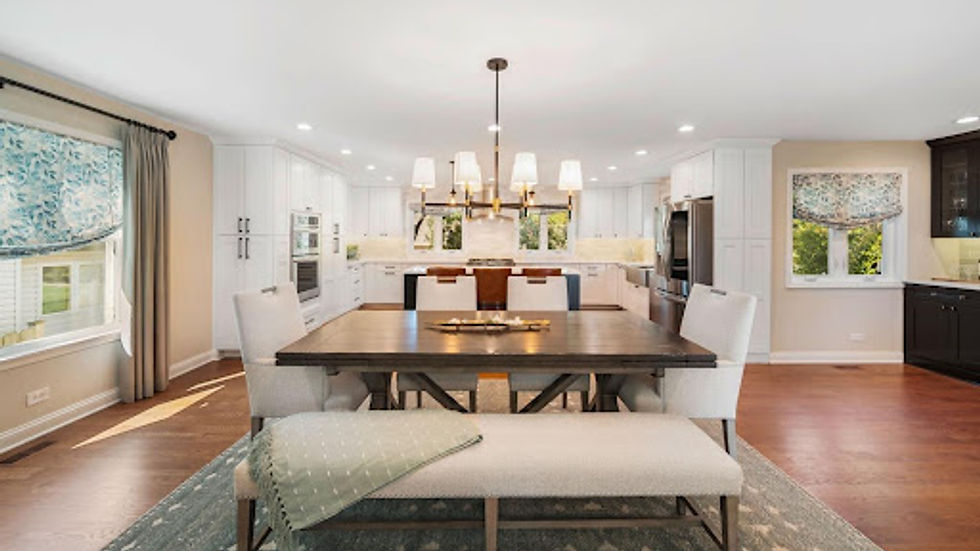
For AKL Architectural Services, focusing on Illinois and Florida allows us to deliver tailored, exceptional designs. We combine innovation with regional wisdom to create truly distinctive properties.
Illinois's Luxury Suburbs: Blending Tradition with Innovation
In Illinois's luxury suburbs like Lake Forest, Winnetka, and Barrington, there's a unique blend: Traditional architectural styles meet modern innovation. New builds often feature modern farmhouses with sleek lines and open plans. Estates in Lake Forest incorporate sustainable technologies within classic designs. Winnetka's new builds might combine contemporary architectural styles with a nod to historical elegance. These projects require careful balancing of old and new.
Florida's Coastal & Urban Developments: Light, Air & Sophistication
Florida's climate and lifestyle demand designs that embrace light, air, and sophisticated outdoor living. Sarasota waterfront homes often feature large glass walls to capture views and maximize natural light. Tampa's urban luxury developments focus on vertical living with private outdoor spaces. Hurricane resilience and indoor-outdoor flow are critical. Materials chosen are often light-colored and weather-resistant, reflecting a relaxed yet refined aesthetic.
Investing in the Future: Why These Trends Matter for Your Build
These modern home design trends aren’t just fads. They represent a fundamental shift in how we approach living and building. Incorporating them is a smart investment. For both homeowners and developers, these trends offer significant advantages. They ensure your property remains valuable, desirable, and adaptable for years to come. This provides peace of mind and a strong return on your investment.
Partnering with Visionaries: How AKL Delivers 2026 Trends
Translating these complex trends into a cohesive, beautiful, and functional building requires expertise. AKL Architectural Services specializes in innovative building practices for luxury residential, commercial, and hospitality projects. We understand the unique demands of high-end property development. Our team works closely with clients to bring their vision to life. We ensure every detail reflects the latest in architectural innovation in 2026. From conceptual design to final execution, we guide you every step of the way, creating truly exceptional spaces.
Enhanced Property Value & Market Appeal
Properties that thoughtfully integrate these 2026 trends command higher prices. They attract discerning buyers who value innovation, sustainability, and bespoke quality. These features create a lasting impression. Staying ahead of architectural forecasts for modern homes gives your project a competitive edge. It positions your property as a leader in high-end interior aesthetics and functionality, making it a highly attractive asset.
Long-Term Livability & Adaptability
Designs focused on wellness, smart integration, and flexibility are more livable. They adapt to changing family needs or business requirements. This ensures the space continues to serve its purpose effectively over time. Investing in future-proof architectural trends means fewer renovations and updates are needed down the line. It offers long-term comfort, efficiency, and satisfaction, protecting your investment for decades.
Conclusion: Your Vision, Realized
Recap of Key Trends & Their Impact
The future of luxury design is bright. It blends sustainability with sophistication, technology with tranquility, and craftsmanship with curation. These modern home design trends promise properties that are not just beautiful, but also intelligent, responsible, and deeply personal. They define a new era of high-end architecture.
Ready to Build?
Are you ready to create a property that embodies the best of 2026 and beyond? Whether it's a dream home in Lake Forest, a cutting-edge commercial space in Tampa, or a luxury apartment development, selecting the right architectural partner is crucial. Let's start a conversation about your next project. We can help you navigate these exciting new build design ideas for 2026 and turn your vision into reality.
FAQs
1. What are the top modern home design trends that will define luxury builds in 2026, and how can they enhance my property's value and appeal?
The leading trends for 2026 focus on a blend of sustainability, smart technology, biophilic design, sculptural forms, and personalized spaces. We're moving towards eco-conscious elegance where sustainable materials and net-zero strategies integrate seamlessly with luxury. Intelligent interiors offer intuitive control over your environment, enhancing comfort and security. Biophilic design connects spaces with nature, improving well-being. Additionally, unique sculptural forms and bespoke craftsmanship ensure your property stands out, reflecting high-end interior aesthetics. These trends enhance property value by making your build future-proof, highly functional, and appealing to a discerning market. They show a commitment to innovation, quality, and responsible living, which are highly valued in luxury property development today.
2. How can I seamlessly incorporate sustainable and smart home technologies into a high-end home or commercial property without compromising on aesthetics or functionality?
Seamless integration is achieved through careful planning and sophisticated design. For sustainability, choose premium, high-performance materials like reclaimed woods or advanced insulation that also look beautiful. Integrate passive design strategies such as optimized natural light and smart ventilation systems directly into the architectural blueprint. For smart technologies, focus on intuitive, integrated ecosystems that operate subtly in the background. Think about hidden speakers, AI-powered climate control that learns your preferences, and lighting that adjusts with circadian rhythms. The goal is technology that enhances your lifestyle without being overtly visible or complex. Innovative building practices ensure these elements work together effortlessly.
3. Which specific materials, color palettes, and architectural forms are considered essential for achieving a sophisticated and future-proof modern aesthetic in luxury homes, especially in regions like Illinois and Florida?
For materials, think natural and sustainable: reclaimed wood, natural stone, recycled metals, and low-VOC finishes. These provide both elegance and environmental responsibility. Color palettes lean towards warm neutrals and earthy tones, creating a calming backdrop, often accented with curated bold elements for personality. Architectural forms are becoming more fluid and sculptural, moving away from rigid lines to organic shapes and curved elements. This creates visually dynamic spaces. In Illinois, these might blend with traditional styles, while in Florida, they emphasize light, air, and hurricane resilience. These choices create a luxury home architecture trends 2026 look that is both cutting-edge and timeless.
4. As a real estate developer, how can I ensure my new luxury projects effectively leverage these 2026 design trends to attract discerning buyers and stand out in competitive markets?
Developers should focus on integrating a holistic approach to these trends. Highlight not just the aesthetics, but the tangible benefits. Showcase how sustainable features lead to lower operational costs and a healthier environment. Emphasize the seamless smart home technology that offers unparalleled convenience and security. Market the unique, personalized elements, such as bespoke craftsmanship and flexible layouts, that cater to diverse high-end lifestyles; providing examples of biophilic design and wellness features will also attract buyers. By integrating these elements thoughtfully, your projects will offer superior value and distinctiveness, capturing attention in competitive markets like modern commercial design trends in Florida or Illinois.
5. What are the best practices for sourcing premium, eco-friendly, and durable materials that align with these modern design trends, and how can I ensure quality and authenticity for my high-end construction?
Best practices involve partnering with experienced architects and suppliers who specialize in luxury and sustainable materials. Look for certifications that guarantee authenticity and eco-friendliness, such as FSC for wood or LEED ratings for overall building products. Prioritize suppliers with transparent supply chains and a strong reputation. Consider locally sourced materials where possible, as this often ensures quality and reduces environmental impact. Always request samples and conduct thorough inspections. Working with an architectural firm that has strong industry connections and a proven track record in innovative building practices is crucial for ensuring the quality and authenticity of all materials used in your high-end construction.


Comments